
Gradings for Land Development in Charlotte
Gradings are a crucial step in land development and construction projects. They involve leveling and shaping the land to prepare for construction, drainage, and landscaping. Proper timing ensures optimal results, minimizes delays, and aligns with project schedules.
Spring and fall are generally preferred for gradings due to moderate weather and soil conditions, reducing the risk of delays caused by extreme temperatures or precipitation.
Dry periods with minimal rainfall are ideal for grading work, as saturated soil can lead to instability and delays. Monitoring weather forecasts helps in scheduling effectively.
Aligning grading activities with construction phases ensures a smooth workflow. Completing grading before foundation work is critical for site stability.
Assessing soil moisture and compaction levels is vital. Optimal soil conditions typically occur after periods of consistent dry weather.
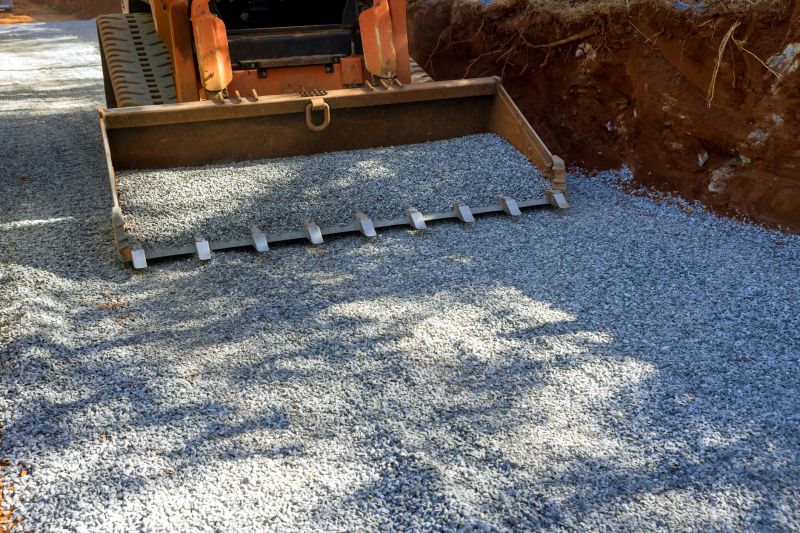
Heavy machinery preparing a site for construction.
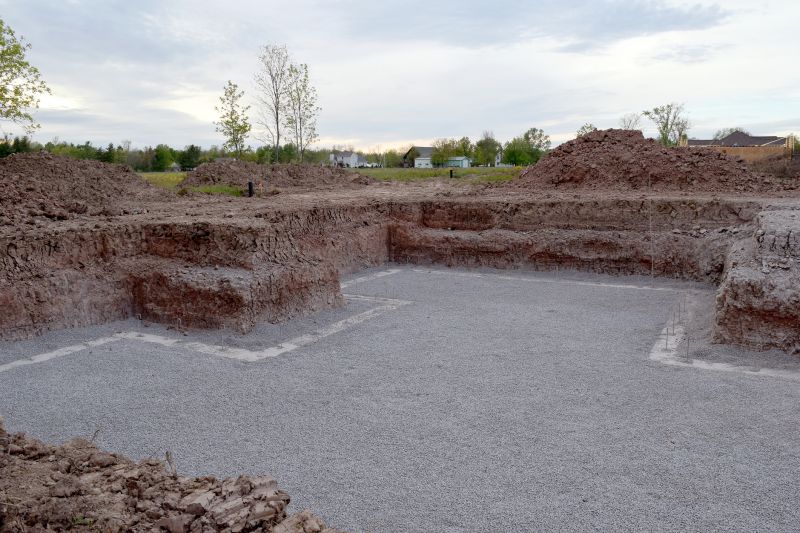
Initial land assessment prior to grading activities.
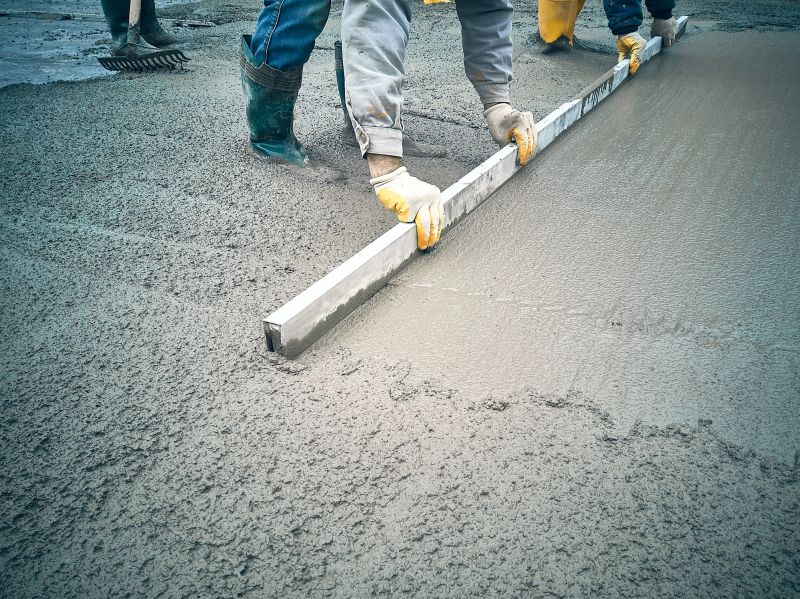
Smooth, level land ready for foundation work.

Laboratory analysis of soil conditions.
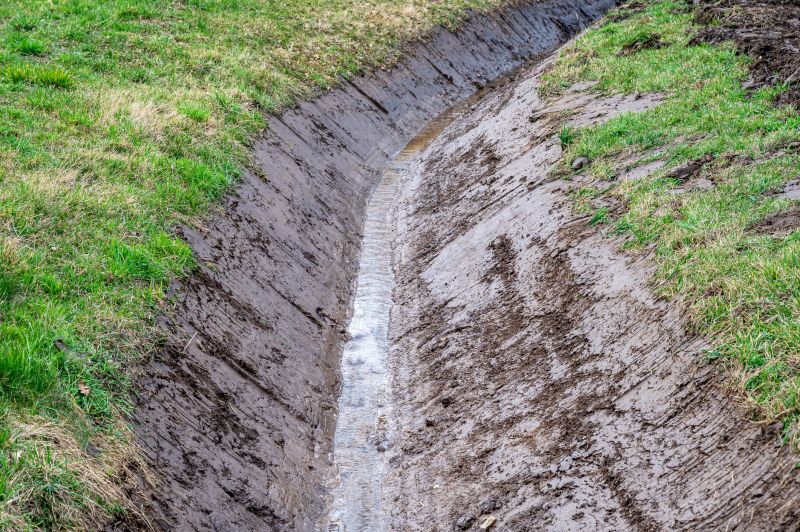
Designing proper drainage systems for the site.

Tools used to forecast and track weather conditions.

Documents and approvals for grading activities.
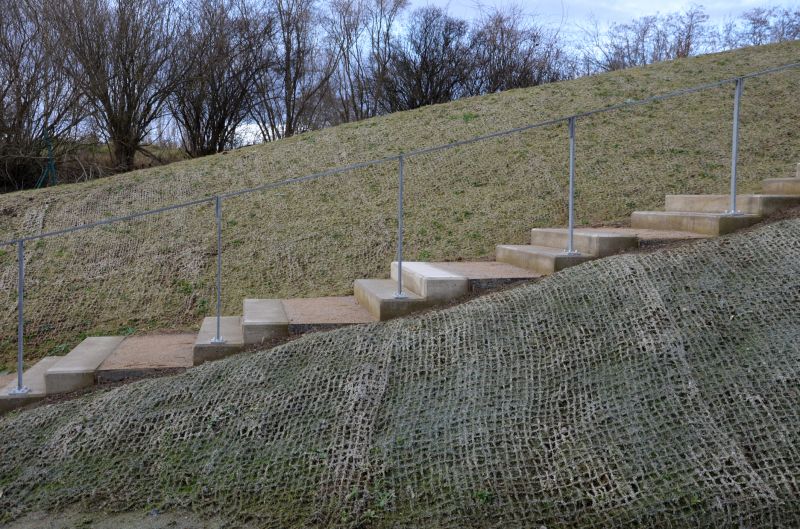
Erosion control and site preservation during grading.
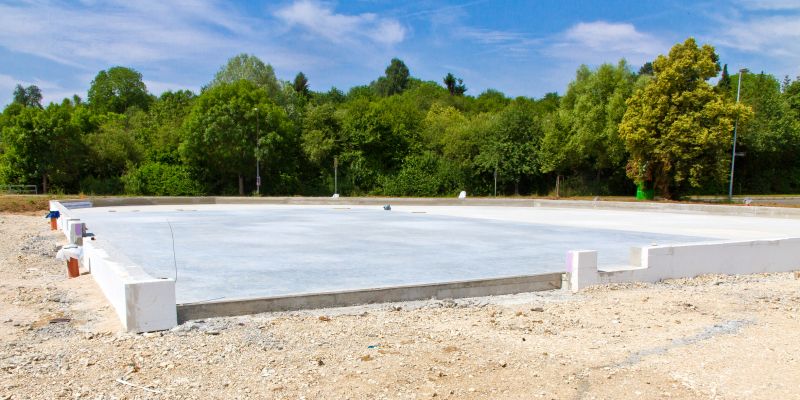
Final site checks before foundation work begins.
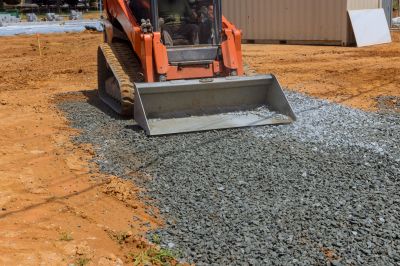
Bulldozers and graders in operation.
| Factor | Optimal Timing |
|---|---|
| Weather Conditions | Dry, moderate temperatures |
| Soil Moisture | Low soil moisture levels |
| Construction Schedule | Before foundation work |
| Permitting Process | Prior to start of grading |
| Season | Spring or fall |
| Environmental Considerations | Avoid sensitive periods |
| Project Deadlines | Align with construction phases |
| Local Regulations | Compliance with permits |
Gradings are essential for ensuring a stable foundation and proper drainage in construction projects. The timing of grading activities can significantly influence project efficiency and quality. Proper planning considers seasonal weather patterns, soil conditions, and project timelines to optimize outcomes.
Statistics show that scheduling grading during optimal weather windows reduces project delays by up to 30%. Additionally, soil testing and environmental assessments contribute to long-term site stability and compliance with local regulations. Accurate timing and preparation are vital for successful land development.
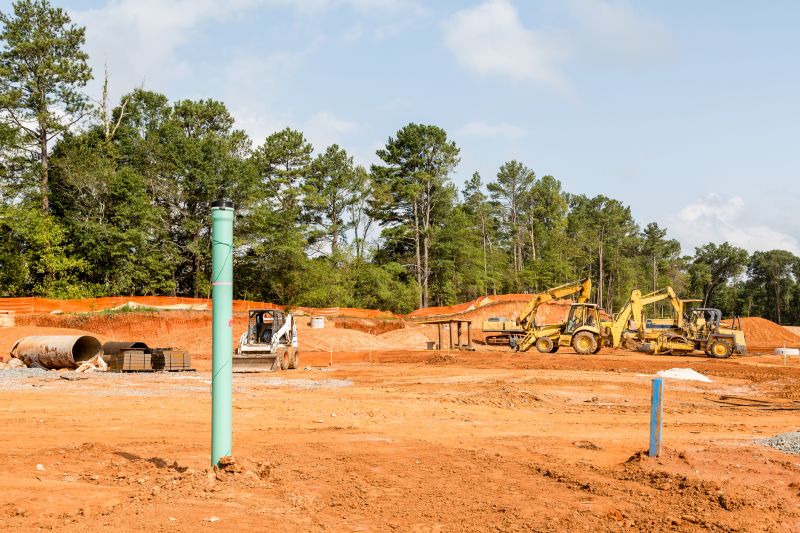
Excavators and graders at work on a construction site.
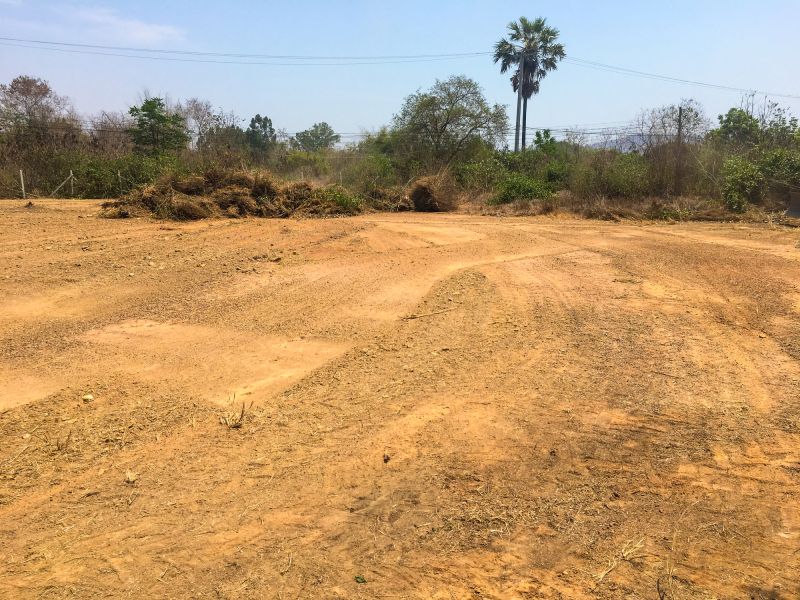
A level site ready for foundation installation.

Samples being analyzed for compaction and moisture.
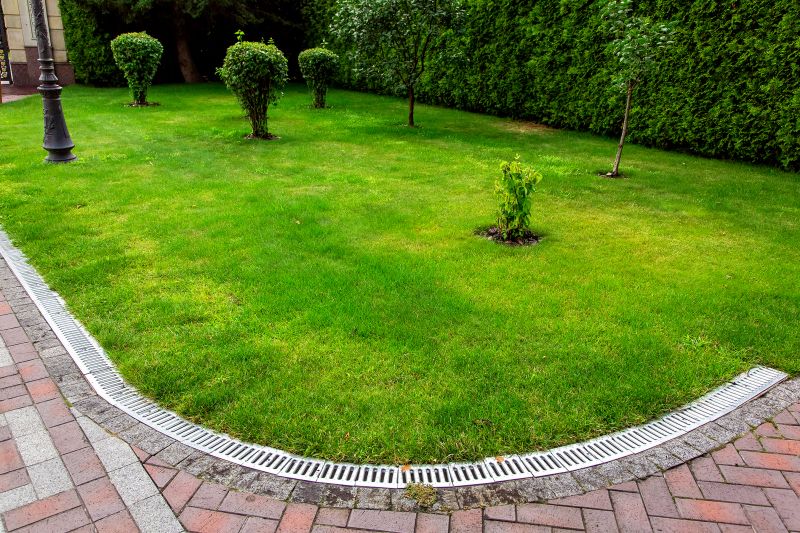
Preparing for proper water runoff management.

Ways to make Gradings work in tight or awkward layouts.
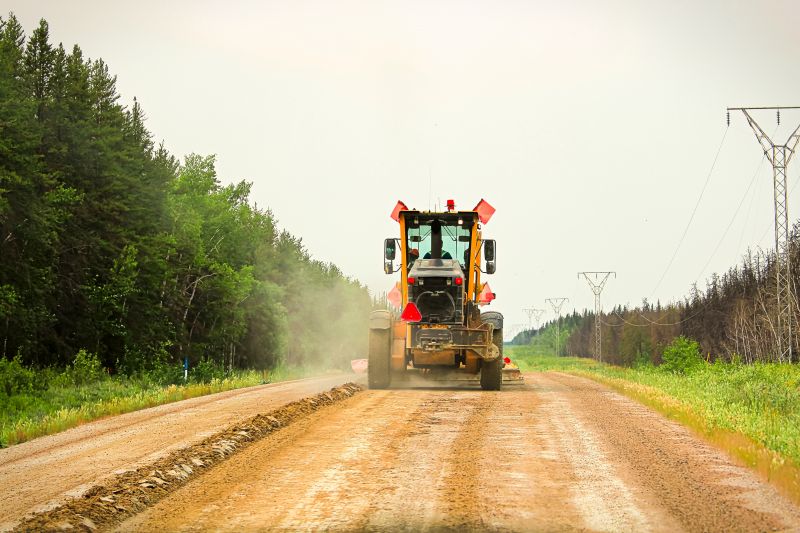
Popular materials for Gradings and why they hold up over time.

Simple add-ons that improve Gradings without blowing the budget.

High-end options that actually feel worth it for Gradings.
Interested parties are encouraged to contact to discuss scheduling and planning for land grading projects. Proper timing and preparation can lead to smoother construction phases and long-term site stability.